Economy
Jan 28, 2026
Economy
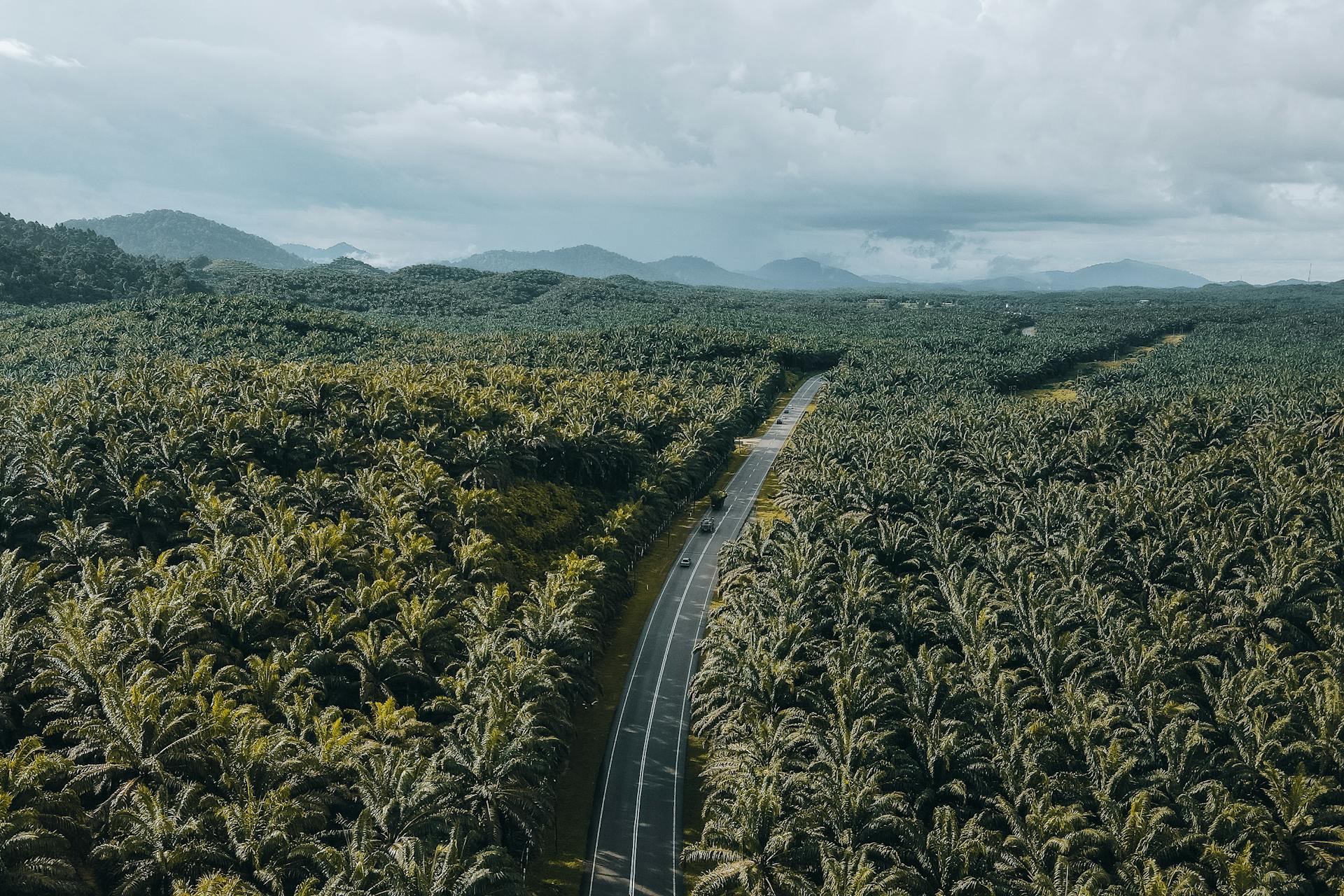
OIL PALM: GLOBAL MARKET OVERVIEW: As of 2026, palm oil remains the world's most widely consumed vegetable oil, with an estimated market value of approximately USD 72.71 billion. The industry is projected to grow steadily, driven by its high yield efficiency, cost competitiveness, and broad industrial versatility. MARKET SIZE AND GROWTH: The global palm oil market is expanding at a Compound Annual Growth Rate (CAGR) of approximately 4.7%, supported by strong demand from food, consumer goods, oleochemicals, and biofuel sectors. GLOBAL PRODUCTION HUBS: Production remains heavily concentrated in Southeast Asia, although emerging markets in Africa and Latin America are gradually expanding capacity. Indonesia accounts for approximately 58% of global supply and remains the world's largest producer. Its B50 biodiesel mandate, requiring a 50% palm oil blend, strengthens domestic demand and provides a structural price floor for producers. Malaysia, the second-largest producer at 25%, has shifted its strategy from opening new land toward yield optimisation, mechanisation, and technological upgrades to reduce reliance on foreign labour. Thailand and Colombia are smaller but significant producers, primarily serving regional demand while gradually strengthening export capabilities. ECONOMIC ADVANTAGES: THE EFFICIENCY EDGE: Palm oil's global dominance is rooted in its biology, exceptional land efficiency, and cost structure. Oil palms produce approximately four to ten times more oil per hectare than soy, rapeseed, or sunflower, making it the most land-efficient major oilseed crop by a significant margin. This yield advantage translates directly into lower production costs, positioning palm oil as the most affordable edible oil for large consumer markets such as India and China. Its semi-solid nature at room temperature makes it a versatile ingredient across a broad range of applications, from food products such as chocolate and instant noodles to cosmetics, detergents, and biodiesel. CURRENT ECONOMIC CHALLENGES: Despite steady growth, the industry faces several structural challenges in 2026. The European Union Deforestation Regulation (EUDR) requires producers to prove their oil did not originate from recently deforested land, increasing compliance costs and traceability requirements for all exporters targeting European markets. In Malaysia particularly, an ageing workforce and labour constraints are accelerating investment in automation, mechanisation, and drone-assisted monitoring. Palm oil prices also remain sensitive to global supply and demand dynamics, with competition from alternative oilseeds, particularly soybean inventories in China, continuing to influence price fluctuations. THE SUSTAINABILITY ECONOMY: Sustainability is no longer a marketing differentiator. It is an economic requirement. Markets are increasingly bifurcated, with certified sustainable palm oil commanding price premiums while non-certified supply faces growing market lockouts in Western markets. Approximately 40% of global palm oil production comes from smallholder farmers, making their integration into digital traceability and certification systems a critical industry priority for 2026, ensuring millions of small-scale producers retain access to international trade.