Renewable Energy
Feb 2, 2026
Renewable Energy
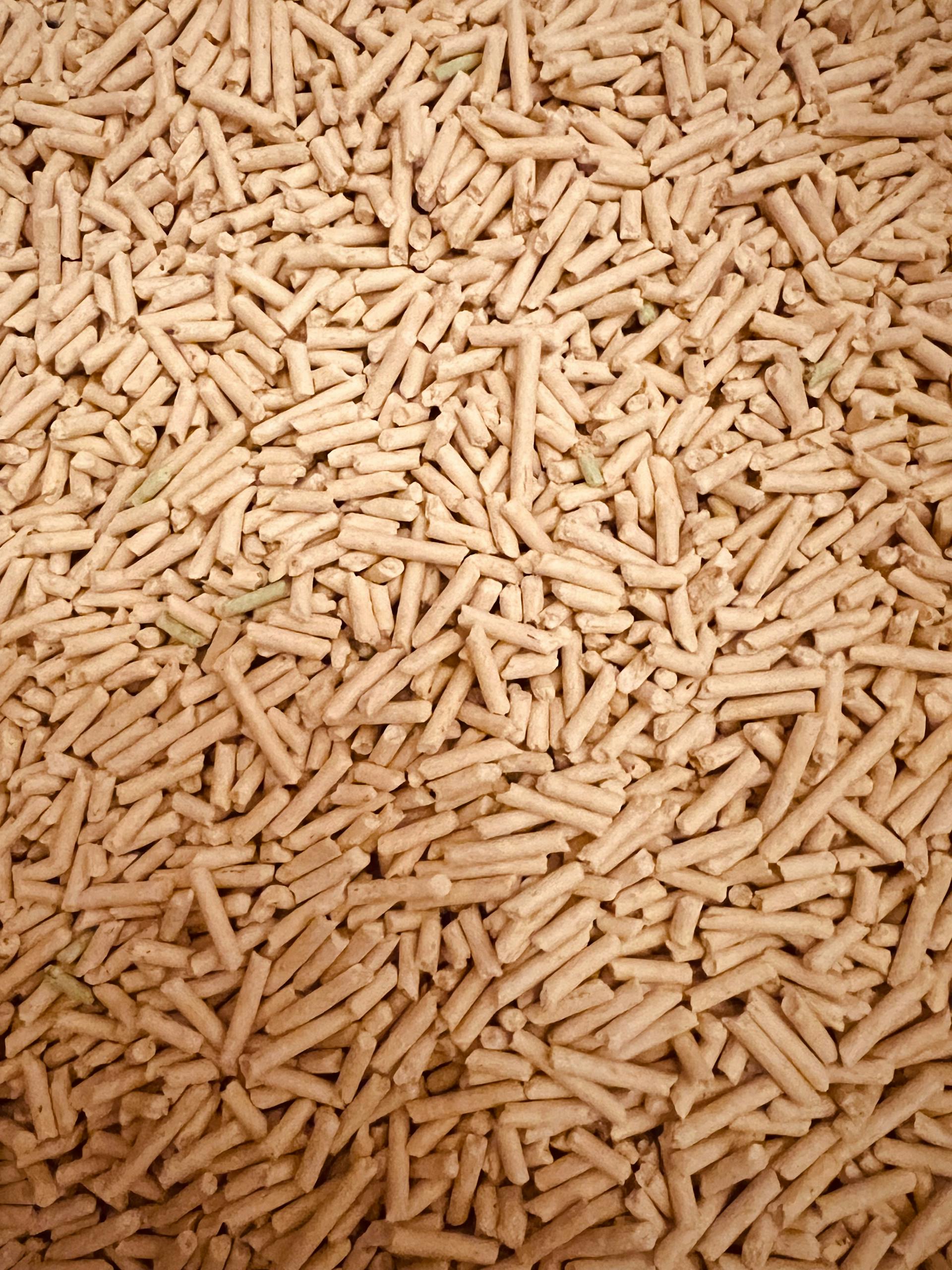
RENEWABLE ENERGY AND THE OIL PALM INDUSTRY: By 2026, the oil palm industry has evolved from being solely a land-intensive food producer into a diversified biorefinery ecosystem, spanning bio-liquid fuels, waste-to-energy systems, and emerging green technologies. The focus now extends beyond crude palm oil to valorising the 80% of palm biomass that was previously underutilised. BIO-LIQUID FUELS: THE B50 AND SAF ERA: One of the most visible transformations is in the transportation sector, where palm-based fuels are expanding beyond conventional biodiesel. Indonesia is advancing toward higher biodiesel blend mandates, targeting B50, a 50% palm-biodiesel blend, to reduce reliance on imported fossil fuels and strengthen domestic energy security. Palm Oil Mill Effluent (POME) and refined palm residues are increasingly used as feedstocks for Sustainable Aviation Fuel (SAF), which can significantly reduce lifecycle carbon emissions compared to conventional jet fuel, positioning the region as a key contributor to aviation decarbonisation. Hydrotreated Vegetable Oil (HVO), also known as renewable diesel, is chemically similar to fossil diesel and allows higher blending ratios without engine modification, with new processing facilities expanding production capacity to meet growing demand. WASTE TO ENERGY: THE CIRCULAR MILL MODEL: Modern palm oil mills are transitioning into integrated energy hubs, often generating surplus electricity for export to the national grid. Methane capture from POME is increasingly standard practice, with captured biogas used to generate electricity or upgraded into Bio-CNG for industrial and transport applications. Empty Fruit Bunches (EFB) and Palm Kernel Shells (PKS) are processed into high-energy biomass pellets, exported as renewable fuel alternatives for power generation in international markets. EMERGING TECHNOLOGIES: GREEN HYDROGEN AND BIO-COAL: Innovation continues to expand the value of palm biomass. Gasification technologies are being developed to convert dry palm biomass such as trunks and fronds into green hydrogen, supporting regional hydrogen economy initiatives. Through torrefaction, palm waste is thermally processed into bio-coal with higher energy density and improved storage stability, offering a renewable alternative to conventional coal in industrial applications. RESOURCE OPTIMISATION: FROM WASTE TO VALUE: The industry's renewable energy transition reflects a broader shift toward circular resource management, maximising value from every component of the palm while reducing environmental impact and strengthening energy resilience.