Innovation
Feb 1, 2026
Innovation
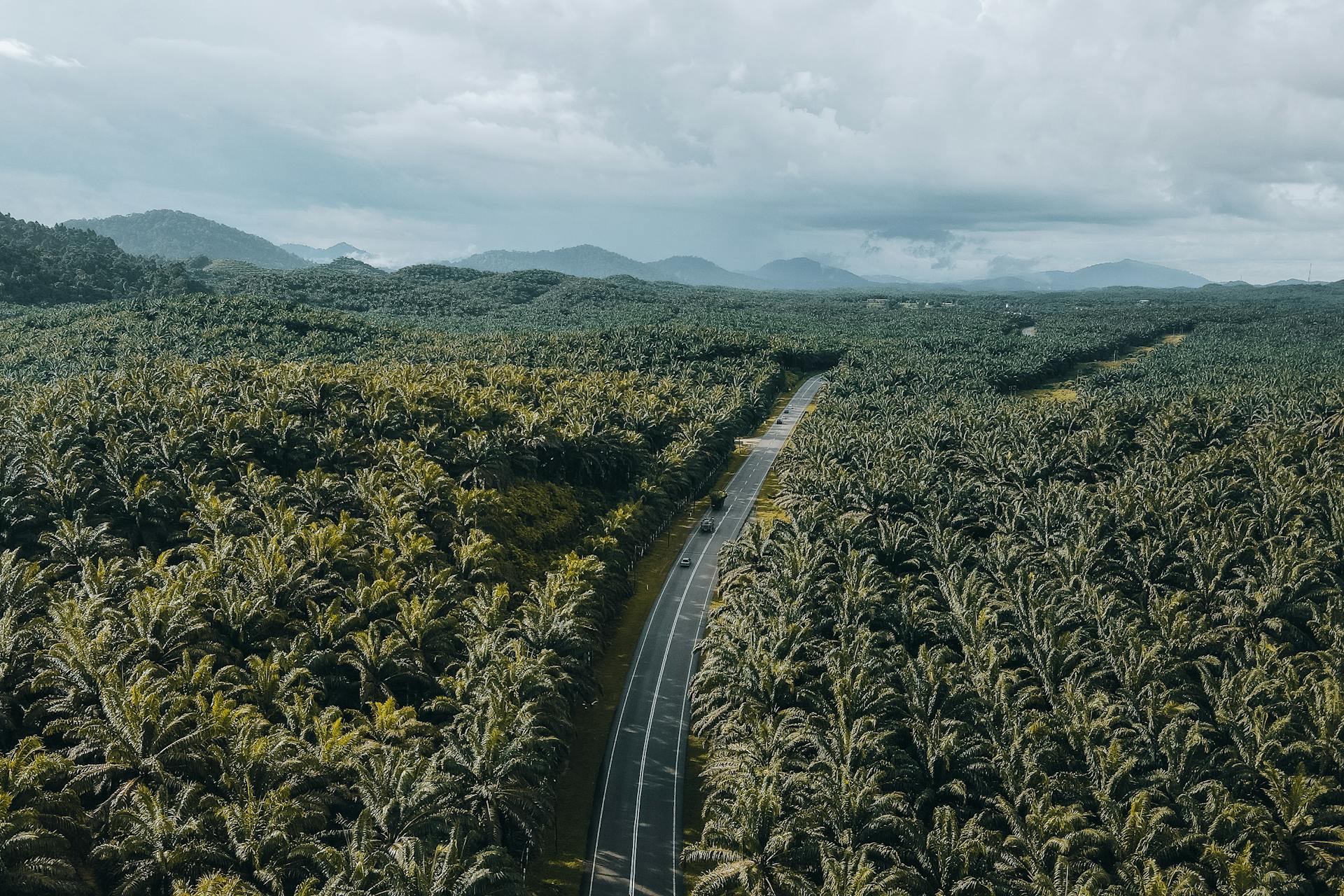
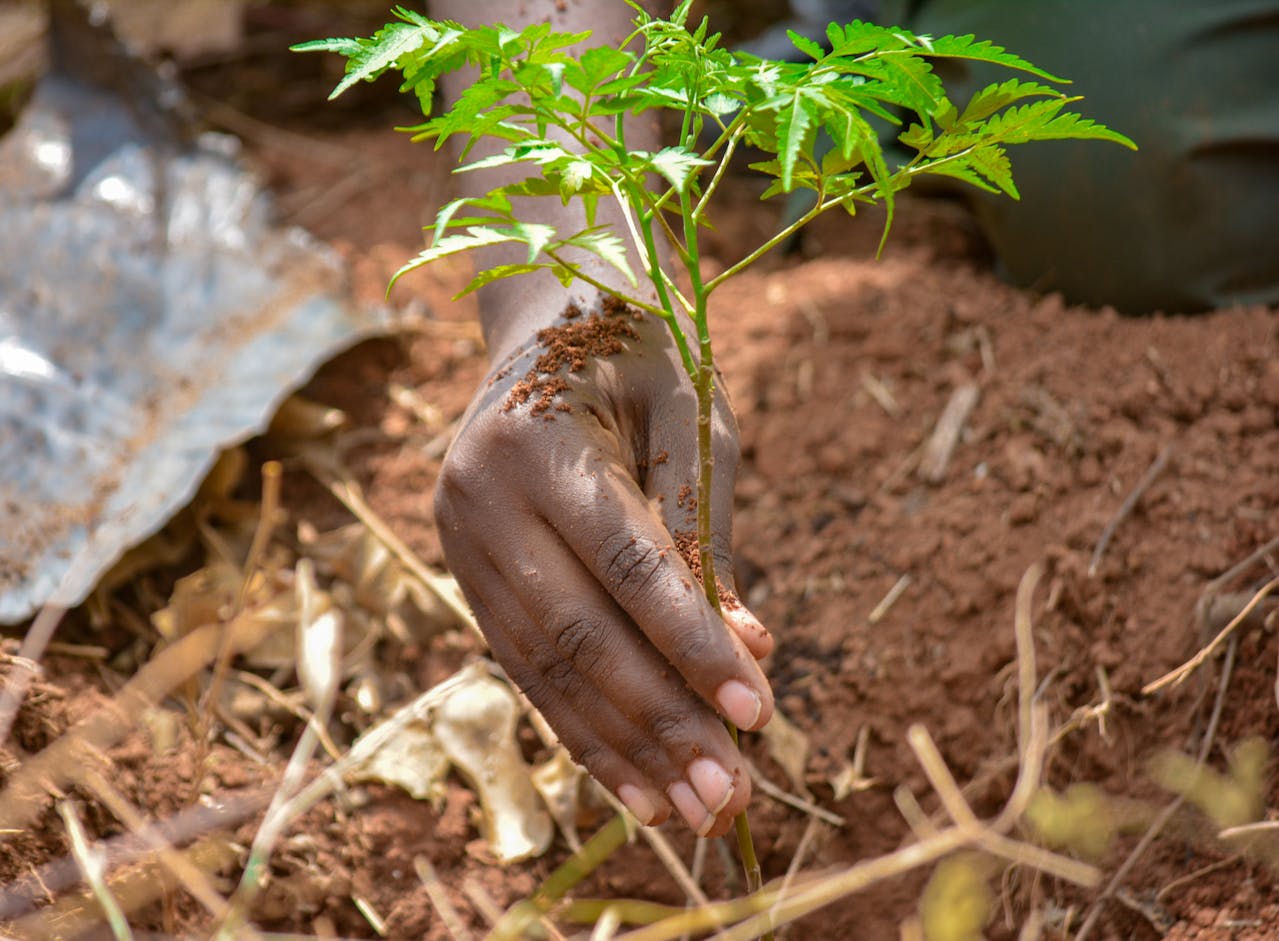
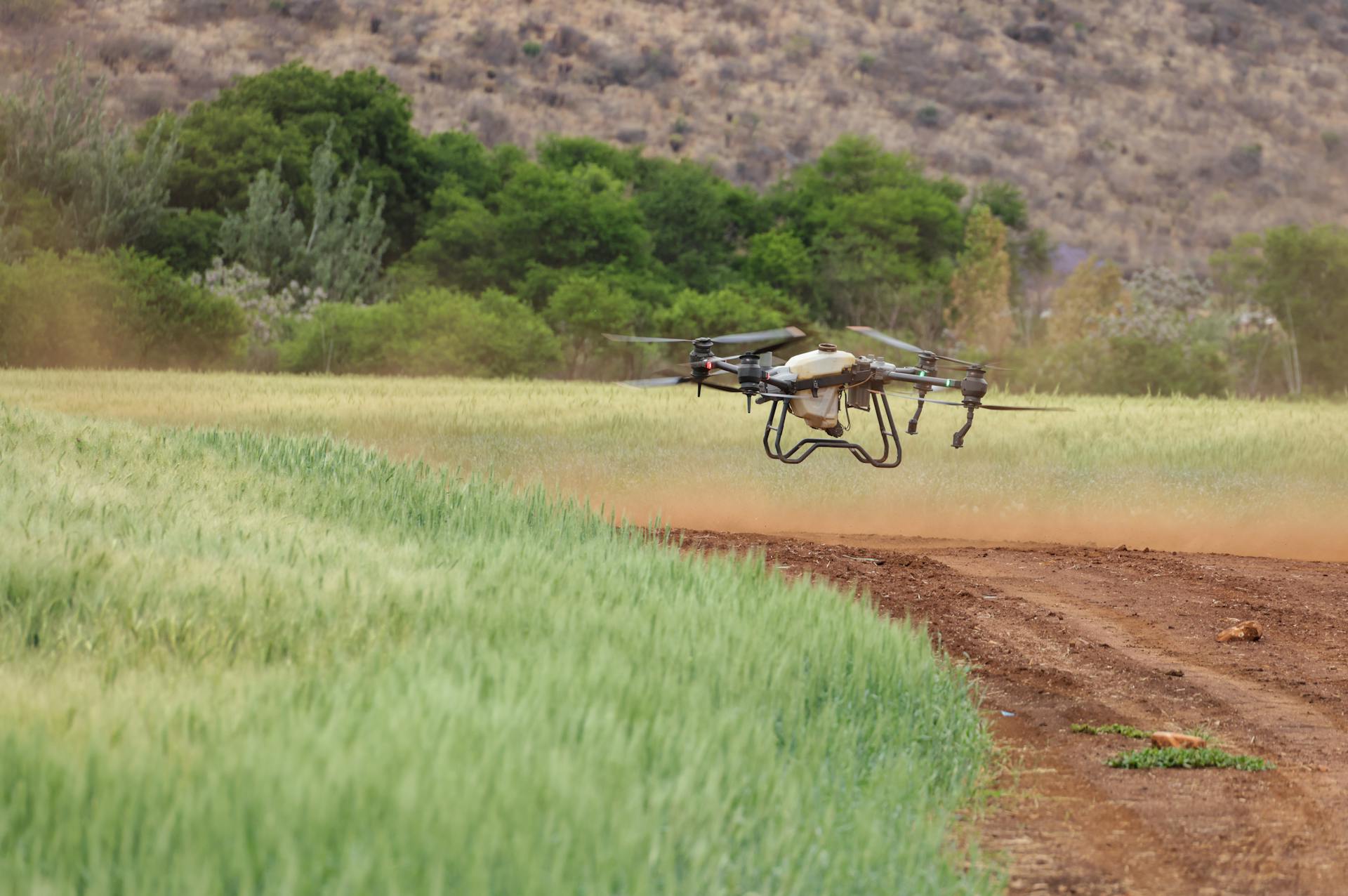
OIL PALM 4.0: INNOVATION, TECHNOLOGY & SUSTAINABILITY IN MODERN PLANTATION MANAGEMENT: Innovation in the oil palm industry, often described as "Oil Palm 4.0", is reshaping estates into data-driven, technology-enabled ecosystems. The focus in 2026 has shifted decisively from land expansion to yield optimisation, driven by global sustainability requirements, regulatory frameworks such as the EU Deforestation Regulation (EUDR), and stricter market expectations. This transformation centres on improving productivity per hectare while enhancing transparency, environmental performance, and operational efficiency. AI-POWERED PRECISION AGRICULTURE: Traditional experience-based management is increasingly complemented by advanced analytics, predictive modelling, and intelligent automation. AI algorithms analyse multispectral drone imagery to identify early signs of Ganoderma (Basal Stem Rot), nutrient deficiencies, and crop stress before symptoms are visible to the human eye, enabling targeted and timely intervention. Machine learning models process historical weather patterns, soil moisture data, and palm maturity profiles to forecast monthly harvest volumes with accuracy rates exceeding 90%, improving planning cycles and cash flow predictability. Leading estates now deploy digital twin systems, virtual replicas of plantation assets, to simulate fertilisation, irrigation, and operational strategies before field implementation, reducing trial costs and operational risk. ADVANCED MECHANISATION & ROBOTICS: To address persistent labour shortages and improve productivity, estates are investing in automation across harvesting, logistics, and quality control. Robotic systems harvest tall palms above 10 metres using sensor-guided cutting mechanisms, eliminating the need for manual climbers and improving both safety and throughput. Autonomous ground vehicles follow pre-programmed routes to transport Fresh Fruit Bunches (FFB), reducing manual handling and labour dependency across large estates. At the mill level, computer vision systems assess fruit ripeness and quality in real time, ensuring consistent grading standards and improved Oil Extraction Rates (OER). SATELLITE MONITORING & TRACEABILITY: With increasing regulatory scrutiny from markets in Europe and beyond, supply chain transparency has become a commercial imperative. Satellite-based platforms including Farmonaut and Global Forest Watch provide continuous 24/7 monitoring of plantation boundaries, enabling early detection of land-use changes and supporting deforestation compliance under the EUDR. Blockchain-enabled systems assign digital identities to individual batches of palm oil, allowing buyers and regulators to trace products back to specific estates and production blocks with full chain-of-custody visibility. BIOTECHNOLOGY & SUSTAINABILITY: Scientific innovation is further enhancing both yield performance and environmental stewardship. Advanced breeding techniques are producing palm varieties with higher oil content and improved drought resilience, enabling greater output from existing land without further expansion. Biogas facilities capture methane from Palm Oil Mill Effluent (POME), converting waste into renewable electricity for estate operations and surrounding communities. Intercropping and cover-cropping strategies, planting fruit trees or nitrogen-fixing crops between palms, are being introduced to enhance soil health, reduce erosion, and promote biodiversity within working plantations. Together, these innovations represent a fundamental shift from labour-intensive, land-dependent operations toward intelligent, resilient, and sustainability-driven plantation management. Estates that embrace Oil Palm 4.0 today are positioning themselves for long-term competitiveness in an increasingly regulated and transparency-conscious global market.